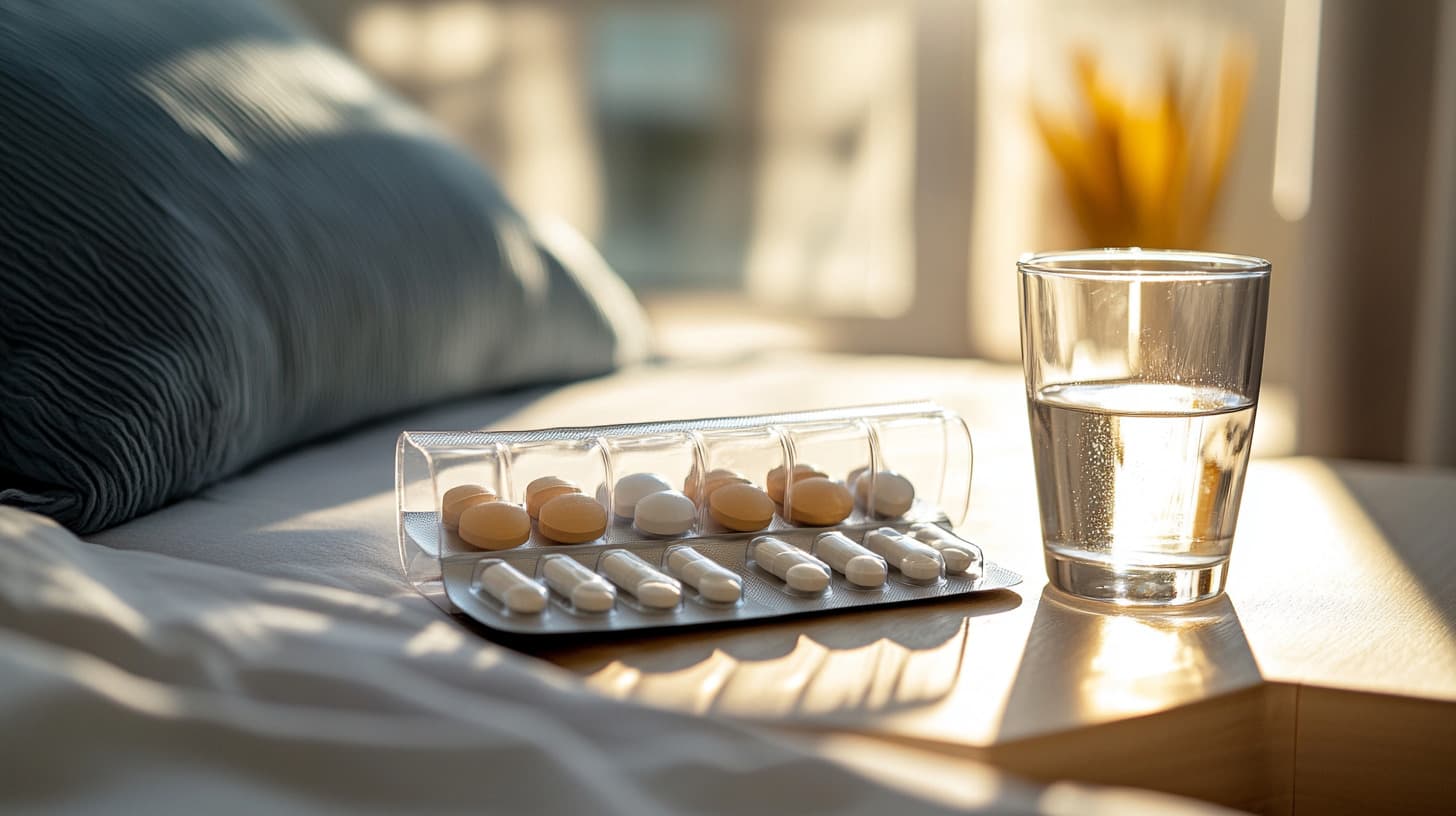
Medication management becomes more complex as a serious illness progresses. Staying organised, keeping good records, and knowing who to call when something changes makes a significant difference to both safety and quality of life.
Know what each medication does
Every person managing a serious illness should know the name, purpose, dose, and timing of each medication they take. This sounds basic, but it is surprisingly common for people to be taking medications without a clear understanding of what each one is for.
Ask your GP, specialist, or pharmacist to explain each medication: what it does, when it should be taken, what happens if a dose is missed, and what side effects to watch for. Write this down. Having a clear, written record means this information is available to any health professional who visits the home, and to any emergency department if needed.
Your pharmacist is an excellent resource for medication questions. They see the full picture of everything being dispensed, can flag interactions between medications from different prescribers, and can explain what each medication does in plain language.
Keep a medication record
Maintain a current medication list that includes: the name of each medication (both brand name and generic name where relevant), the dose, the frequency, what it is for, and who prescribed it. Review and update this list at every appointment.
Keep a physical copy of this list in an accessible place at home, such as on the fridge or in a bedside folder. Give a copy to your GP, your palliative care nurse, and any other regular health professional involved in care. Bring the list to every appointment.
In an emergency, paramedics and emergency staff will need this information quickly. A clear, current medication list can directly affect the care given in an emergency.
Pill organisers and blister packs
For someone taking multiple medications at different times of day, a weekly pill organiser can help prevent missed or doubled doses. Pharmacy-prepared blister packs (sometimes called dose administration aids or Webster packs) take this further: your pharmacist prepares a pack of your medications sorted into morning, noon, evening, and bedtime for each day of the week. This removes the complexity of counting pills from multiple bottles each time.
Blister pack dispensing is a service offered by most community pharmacies, usually at a small additional cost. If medication management is becoming difficult or the risk of error is increasing, ask your pharmacist about switching to blister packs.
Stay ahead of prescriptions
Running out of critical medications is avoidable and dangerous. Establish a routine of ordering repeat prescriptions before the supply runs out, not when it is empty. A good rule of thumb is to order a new supply when you have one week left.
Many GPs and pharmacies can send electronic prescriptions to your phone, which can then be presented at any pharmacy. This removes the need to physically collect a paper prescription before being able to fill it.
Some medications, particularly controlled substances such as strong opioid pain medications, have restrictions on how far in advance they can be prescribed. If you are managing pain medications, discuss with your palliative care team how to ensure continuity of supply without gaps, including arrangements for weekends and public holidays.
Managing side effects
Side effects are real, they vary significantly between people, and they affect quality of life in ways that deserve active management. Do not accept side effects that are affecting daily life as simply "part of treatment." Many can be managed or reduced.
Common side effects of treatments used in serious illness include nausea, constipation, fatigue, appetite changes, sleep disturbance, mouth sores, skin changes, and cognitive fog. Each of these has management strategies that your palliative care team, GP, or specialist can offer.
Track side effects and report them at appointments. Be specific: not just "I feel nauseous" but "I feel nauseous for about three hours after each dose, typically between 10am and 1pm, rated about 6 out of 10." This specificity helps prescribers respond with targeted adjustments.
Safe storage
Most medications should be stored at room temperature, away from heat and direct sunlight. The bathroom cabinet is often too humid. A bedside drawer or kitchen cupboard away from the stove is usually more suitable.
Some medications, particularly certain injections or biologics, require refrigeration. Check the storage requirements for each medication and ensure they are met.
If there are children or visitors in the home, ensure all medications are stored securely and out of reach. This is particularly important for pain medications, which can be dangerous in accidental overdose.
Unused or expired medications should not be flushed down the toilet or put in the general bin. Return them to a pharmacy for safe disposal. Many pharmacies have a medication return program (Return Unwanted Medicines, or RUM) specifically for this purpose.
Medication reviews
As the illness progresses and the treatment focus shifts from active treatment to comfort and quality of life, the medication regime often needs to change significantly. Medications that were important earlier may no longer be necessary or appropriate. New medications for symptom management may be added.
A Home Medicines Review (HMR) is a service available in Australia where an accredited pharmacist visits the home and reviews all medications in consultation with the GP. It is free for eligible patients (including people with complex medication needs or multiple health conditions) and can identify interactions, duplications, and opportunities to simplify the regime.
Ask your GP about a Home Medicines Review if medication management is becoming complex. This service is specifically designed for situations like this. Healthdirect (healthdirect.gov.au) has plain-language information on Home Medicines Reviews and how to request one.
Platform tools
- Your checklistEvery task across all five stages of the journey, gathered in one place so nothing is forgotten.
- Document vaultStore the will, power of attorney, advance care directive, and other important documents securely in your account. Available to members.
Was this guide helpful?
Pierre started 18December after his partner Mark was given a terminal diagnosis, when they mapped out everything that needed to happen at the kitchen table. He reviews the guides to keep them honest, plain, and genuinely useful. About 18December
Published 12 June 2026
Read the latest version of this guide at www.18december.com.au/guides/medications
© 2026 18December Pty Ltd. All rights reserved. This guide is original content and may not be reproduced, distributed, or republished without written permission.
← Back to Living with terminal illness