Why people become too much
Part of it is that grief requires enormous amounts of energy. Talking about how you are feeling, managing others' emotions, being the person everyone is worried about: all of it is work.
Part of it is that other people sometimes need you to grieve in a way that is legible to them. Visible grief. Accepted support. Gratitude for their presence. When you are simply done and need to be alone, that can feel to them like something is wrong.
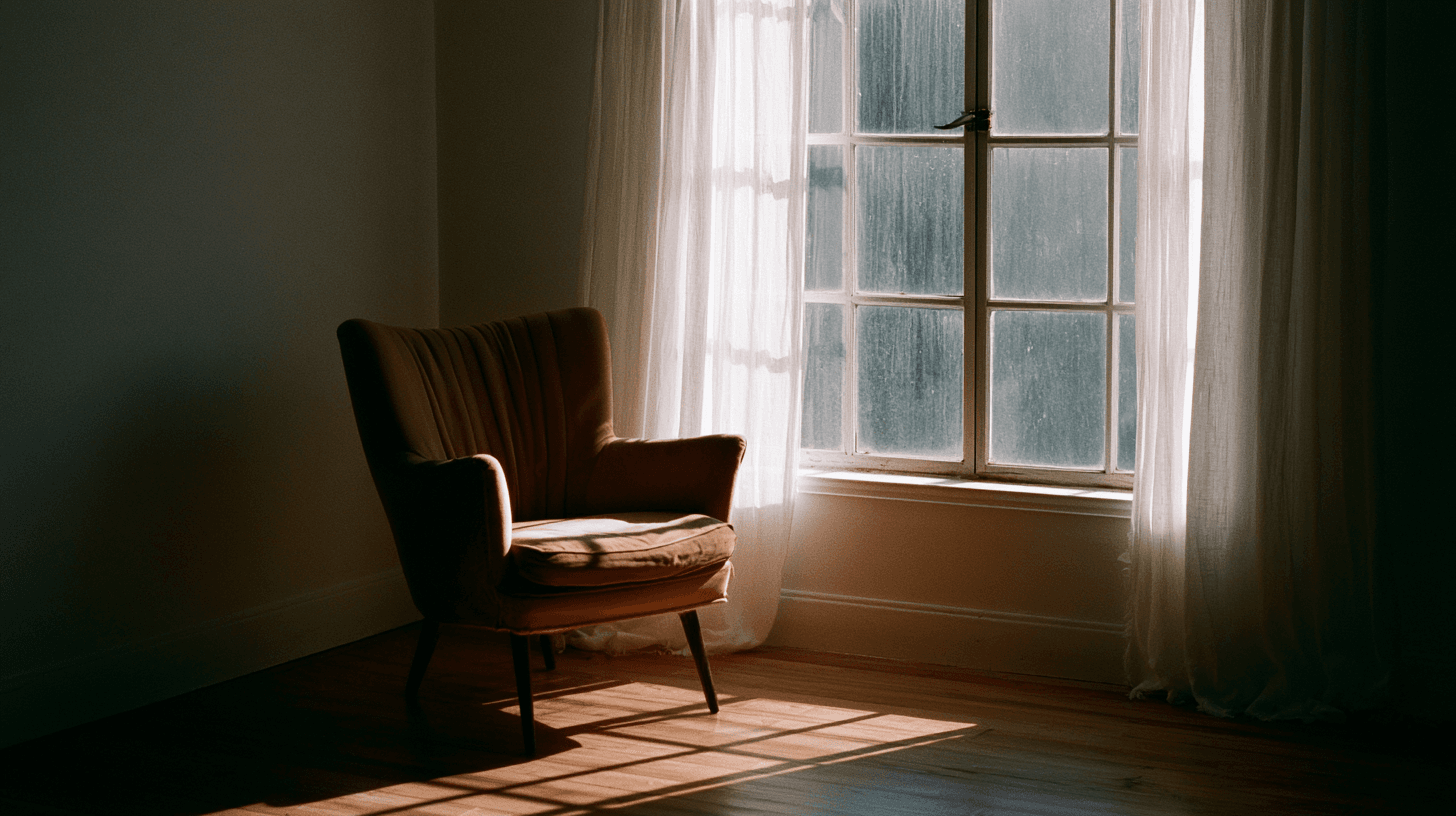
Part of it is that solitude has things to offer that company does not. Silence. The absence of expectation. The chance to be in your own grief without performing it for anyone.
This is normal
The need for solitude after loss is widely experienced and entirely legitimate. It does not mean you are ungrateful. It does not mean you are antisocial. It does not mean you love the people in your life any less.
It means you are grieving, and you need space to do it.
Solitude looks different for everyone
For some people it is an afternoon alone at home. For others it is a weekend away. For some it is a longer trip, a deliberate removal from the whole landscape of shared grief and well-meaning faces.
None of these is more or less valid than the others. What matters is finding what gives you room to breathe.
Stepping back is not stepping away
Taking space from people does not damage your relationships permanently. The people who matter will understand, even if they say they do not at first. And when you are ready to come back to connection, it will be on your own terms.
You do not owe anyone continuous access to your grief.